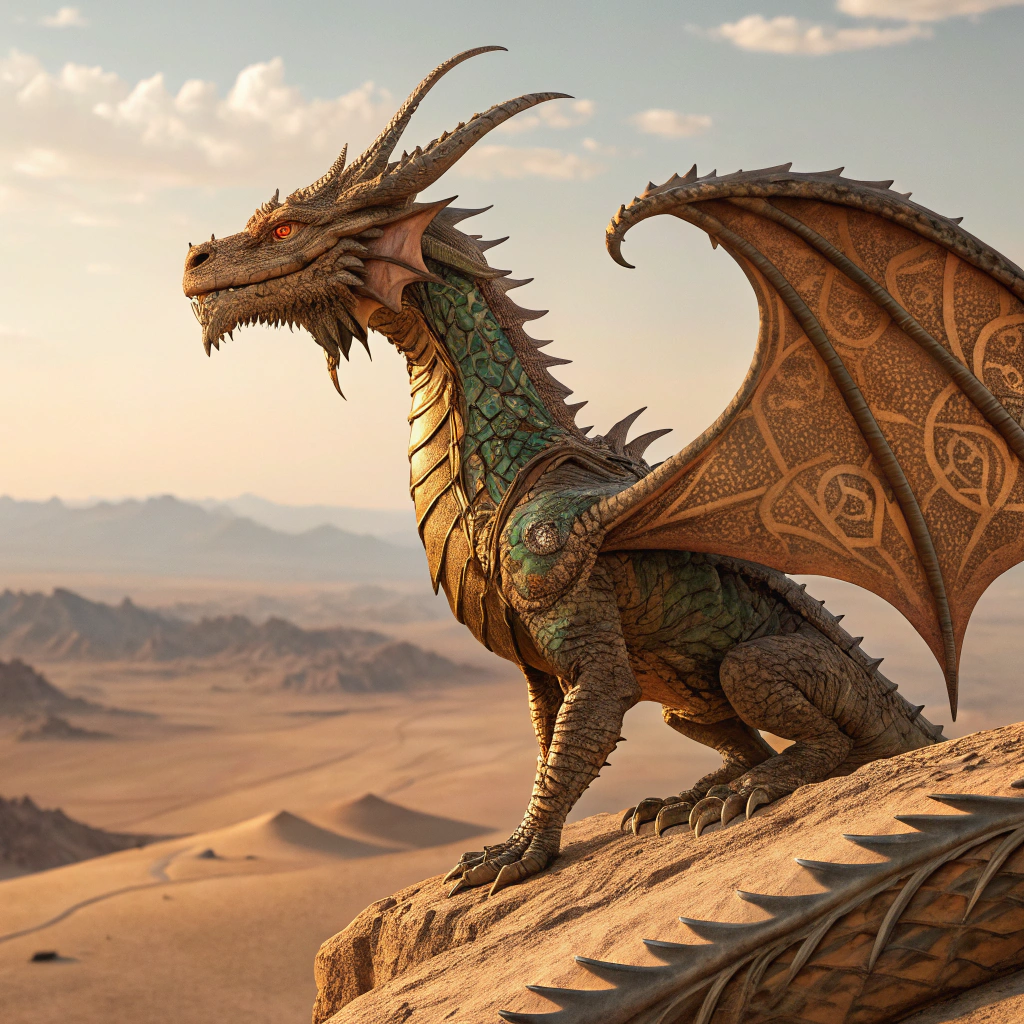
Middle Eastern Dragon Name Generator
Name: Azhdaha
Meaning Origin Description Dragon King Persian Ancient earth dragon with control over mountains and caves In DraconicKhathkharthdragon-sovereigncore DraconicName: Bashmu
Meaning Origin Description Venomous Snake Babylonian Horned serpent with deadly poison In DraconicShekhslethpoison-serpentcore DraconicName: Dahak
Meaning Origin Description Ten Evils Persian Three-headed dragon of destruction and chaos In DraconicDehekby soundcore DraconicName: Illuyankas
Meaning Origin Description Dragon of Storms Hittite Serpentine dragon that battles storm gods In DraconicTharshkhathstorm-dragoncore DraconicName: Kur
Meaning Origin Description Mountain Dragon Sumerian Primordial dragon dwelling beneath the earth In DraconicSkornkhathmountain-dragoncore DraconicEach name above is also given in Draconic, the dragon language documented by DragonWatch. Names on this page use the shared core roots that every dragon lineage has in common — see how the chromatic, metallic and gem dialects differ, or look up any root in the field dictionary.

Middle Eastern Dragon Details
| Habitat | Desert oases and ancient ruins |
| Breath weapon | Mystical fire |
| Usual alignment | Neutral |
The Middle Eastern Dragon (Draco orientalis medius) represents a distinctive subset of draconic species, characterized by its serpentine physiology and notable absence of wings. These creatures typically reach lengths of 30-40 feet, with documented specimens occasionally exceeding 50 feet.
Physical Characteristics:
- Elongated, serpentine body structure
- Scaled dermis with iridescent properties
- Multiple pairs of short, powerful limbs
- Pronounced horns or antler-like protrusions
- Elaborate facial whiskers with sensory capabilities
Habitat and Distribution: Primarily inhabits arid and semi-arid regions, including:
- Desert oases
- Mountain caverns
- Ancient ruins
- Underground water sources
- Deep desert territories
Behavioral Patterns: These dragons display notable intelligence and are highly territorial. They demonstrate:
- Complex social hierarchies
- Sophisticated communication through body language
- Strong affinity for precious metals and gems
- Protective behavior toward water sources
- Cultivation of diplomatic relationships with local populations
Dietary Requirements: Omnivorous with carnivorous preferences:
- Large desert mammals
- Oasis vegetation
- Domestic livestock
- Marine life from coastal regions
- Various mineral substances
Special Abilities:
- Advanced thermal regulation
- Water detection capabilities
- Extended periods without sustenance
- Enhanced nocturnal vision
- Possible weather manipulation
Typical Alignment: Lawful Neutral to Lawful Evil These dragons typically operate within strict codes of conduct and territorial rights. They value order and respect for authority, though they may exhibit ruthlessness in protecting their interests.
Social Structure:
- Solitary or small family groups
- Hierarchical relationships with other magical beings
- Complex diplomatic arrangements with human settlements
- Territorial agreements with other dragons
Cultural Significance: Middle Eastern Dragons often serve as:
- Guardians of ancient knowledge
- Protectors of sacred sites
- Keepers of water sources
- Arbiters of desert territories
- Custodians of magical artifacts
Reproduction:
- Oviparous reproduction
- Clutch size: 2-4 eggs
- Incubation period: 2-3 years
- Maternal care until juvenile stage
- Sexual maturity: 100-150 years
Life Cycle:
- Hatchling phase: 0-50 years
- Juvenile phase: 50-150 years
- Adult phase: 150-1000+ years
- Known specimens have survived multiple millennia
Conservation Status: Historic numbers have declined due to:
- Human expansion
- Habitat loss
- Resource competition
- Magical conflicts
- Climate change
These creatures maintain a complex relationship with their environment and local populations, often serving as crucial components in regional ecosystems and magical networks. Their presence typically indicates healthy desert ecosystems and stable magical energy fields.
Speak like a Middle Eastern Dragon: Translate your name into Draconic and compare how each dialect would say it, or carve a Draconic inscription for your table.